

The same skills that change individuals change teams.

Most team performance problems aren't actually technical. They're human. Communication and empathy break down during conflict. Leaders struggle to get the best from people they don't fully understand. High performers undermine the collective because no one has given them the tools to operate differently.
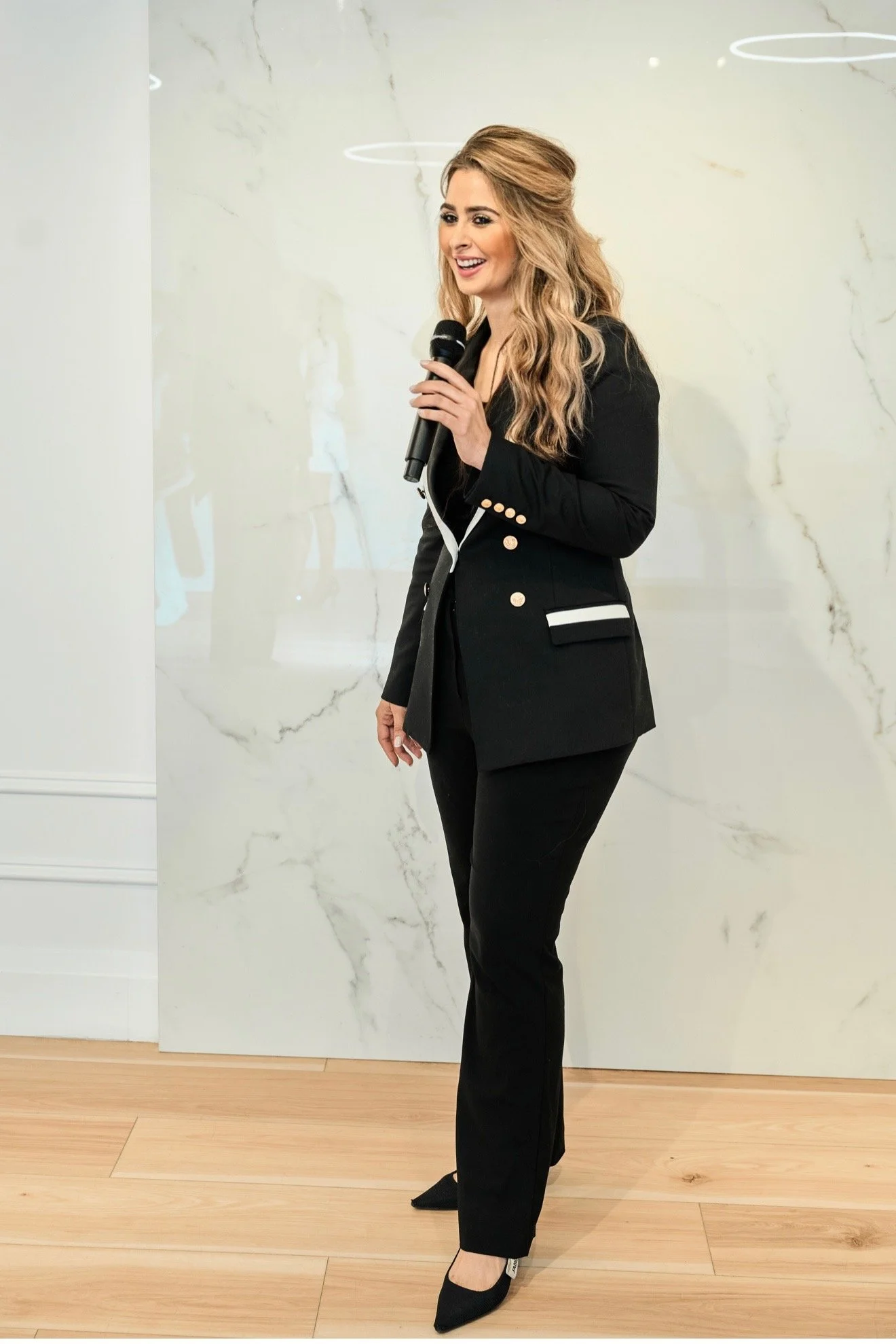
The High-Performance Team Workshop
Your team has the technical skills. This workshop gives them the human ones.
This facilitated workshop addresses the root of most team tension, not just the symptoms. I’ll work directly with your team to build the skills that prevent miscommunication, reduce conflict, and create the kind of psychological safety that makes high performance possible.
The half- or full-day workshop is tailored to your organization's context. It is a practical application of my signature framework, molded to solve your team’s most stubborn challenges.
Core topics:
Why smart people say the wrong thing under pressure, and how to stop it
Understanding team dynamics through the lens of self-awareness
Emotional intelligence as a performance skill, not a personality trait
Building trust and psychological safety without sacrificing accountability
Reading what's actually happening in a room and responding to it

The Academy
Most leaders are promoted for what they know. This program develops who they are.
RK Leadership Academy is a structured training that creates a shared language across your entire leadership team.
Designed for the leaders, managers, & executive members of your team, it equips everyone with the skills to build stronger teams, retain the best people, and navigate pressure without fracturing culture.
They’ll understand people. They’ll communicate with precision. They’ll know how their behavior lands before they've left the room.
The Steady Leader Method™:
Integrated Framework—Training leaders from the inside out; regulation before reaction, clarity before communication, humanity before hierarchy.
Real, observable change— Shifts in behavior, decision-making, emotional steadiness, and team trust. Not theoretical and not abstract.
Stress-tested leadership—Skills that hold in conflict, crisis, and uncertainty, not just in calm environments.

The Three-Stage Self-Empathy Process™
Stage 1: Self-Awareness
Before you can understand anyone else, you need to understand yourself. This stage teaches you to catch your emotional reactions before they drive your decisions. You’ll learn how to notice what's happening inside you, in real time, so you can choose your response instead of defaulting to it.
Stage 2: Perspective-Taking
Most conflict doesn't come from bad intentions, it comes from misinterpretation. This stage teaches you to pause your first story about what's happening, ask better questions, and see situations more accurately. It's the difference between reacting and understanding.
Stage 3: Action-Oriented Temperament
This is the stage where everything changes. With clarity about yourself and the people around you, you make better decisions, communicate more effectively, and show up as the person you've always known you could be.

Behind the framework
As a Doctor of Philosophy whose doctoral research examined the philosophy of emotion and moral psychology, I was always led back to one question. Why do intelligent, capable people so often get in their own way?
The answer, I found, was often this: a misunderstanding of empathy.
When treated like a personality trait, we overextend ourselves, accept poor treatment from others, and struggle to set clear boundaries.
This makes meaningful relationships more difficult to build and maintain.
The Three-Stage Self-Empathy Process™ provides a clear, skills-based model for increasing our emotional intelligence.